My Best Piece: A shirt with holes
That fraying corduroy shirt with the mustard stain wasn’t a lost cause — it was raw material. Here’s how intentional repair turned a $2.50 reject into the most-complimented piece in my closet.

First-person thrift hauls with the real prices, the real stores, the flaws, and why each find mattered. Receipts and closets, not a top-ten list.
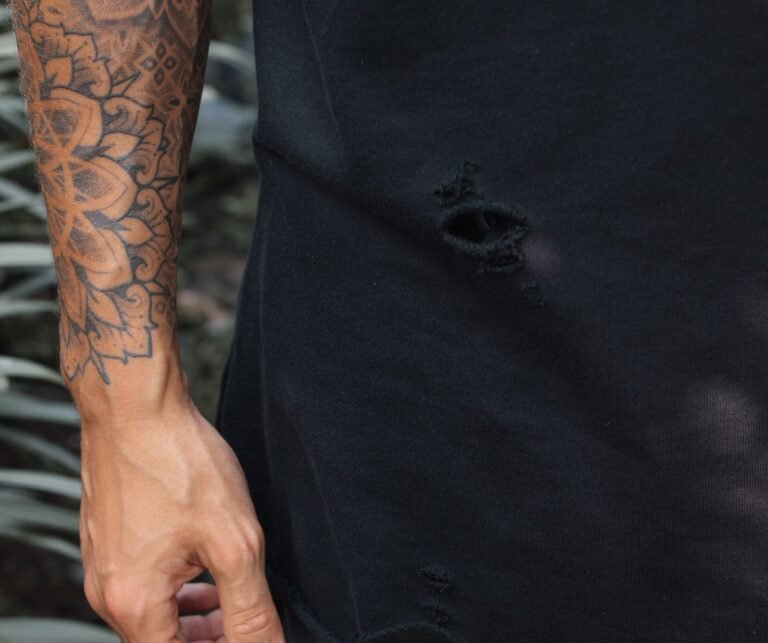
That fraying corduroy shirt with the mustard stain wasn’t a lost cause — it was raw material. Here’s how intentional repair turned a $2.50 reject into the most-complimented piece in my closet.

Brooches, velvet, fringe, lace — opulent vintage searches are climbing fast across secondhand platforms. Here’s the case for building your entire look around a single extraordinary find.
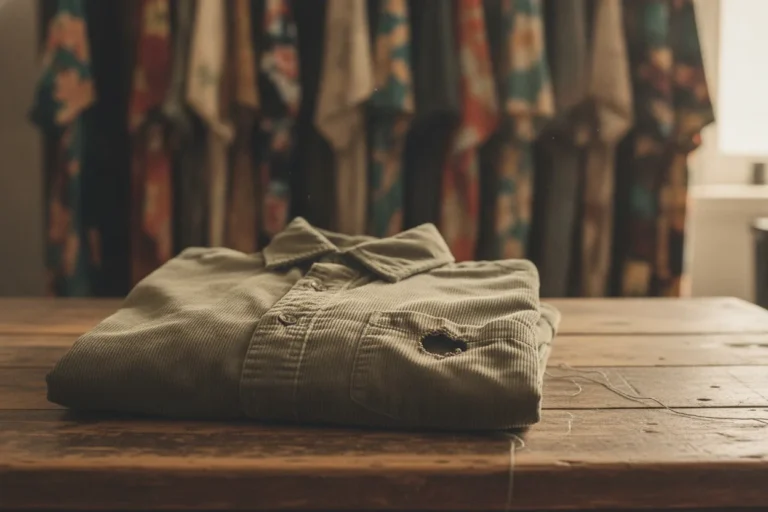
The sticker price on a thrift store tag is just the opening bid. Here’s how to calculate what your secondhand finds actually cost — and why the math still works in your favor.
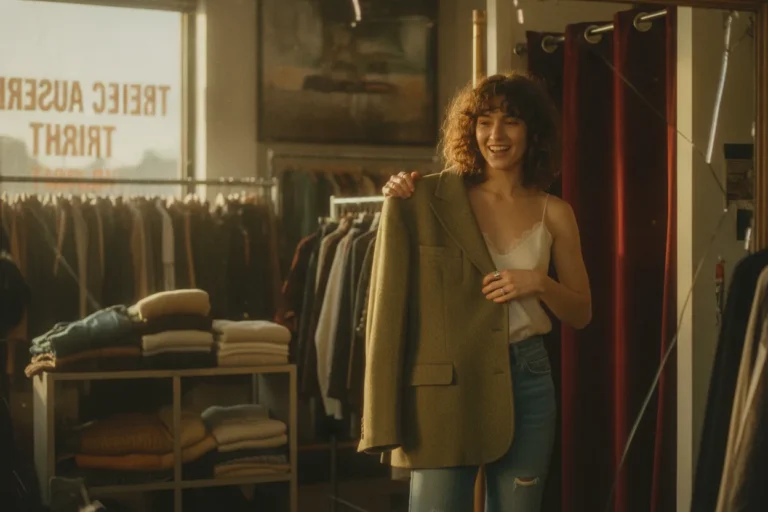
I pulled a $6.49 blazer off a Salvation Army rack and got called original. Someone else could’ve worn the same blazer from the same store and gotten no credit at all. That gap is the thing thrift culture doesn’t talk about enough.
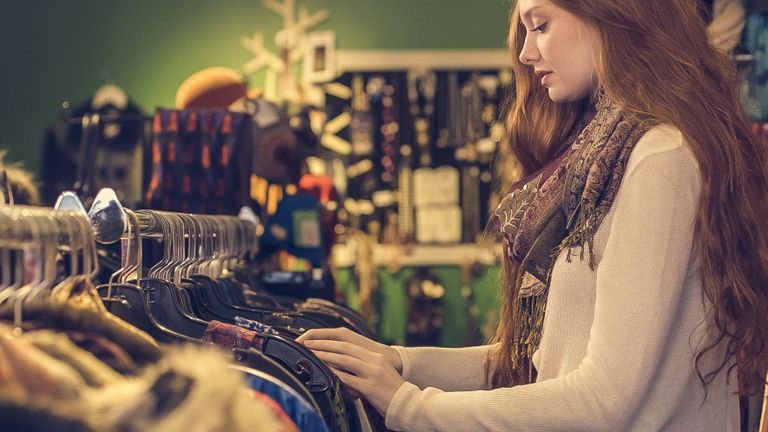
Stop wandering every aisle hoping something jumps out. The people pulling genuinely rare pieces from the racks are running a search algorithm in their heads — and it starts before they touch a hanger.

That two-inch rip on a $4 corduroy jacket became the single best detail in my closet. Here’s how visible mending turned thrift-store damage into the thing people actually stop me about.